The Cerebral Palsy and Neurologic Disorder Welfare Society (CPND) is a non-profit organization established to support children with cerebral palsy and other neurological disorders in Nepal. Founded in 2081 B.S. (2024/25 A.D.), CPND was created in response to the high prevalence of cerebral palsy in the country, which is estimated at approximately 70,000 cases, with an incidence of around 6 per 1,000 live births. The organization is dedicated to improving the quality of life of children with cerebral palsy and their families through comprehensive care, rehabilitation, community support, advocacy, and research.
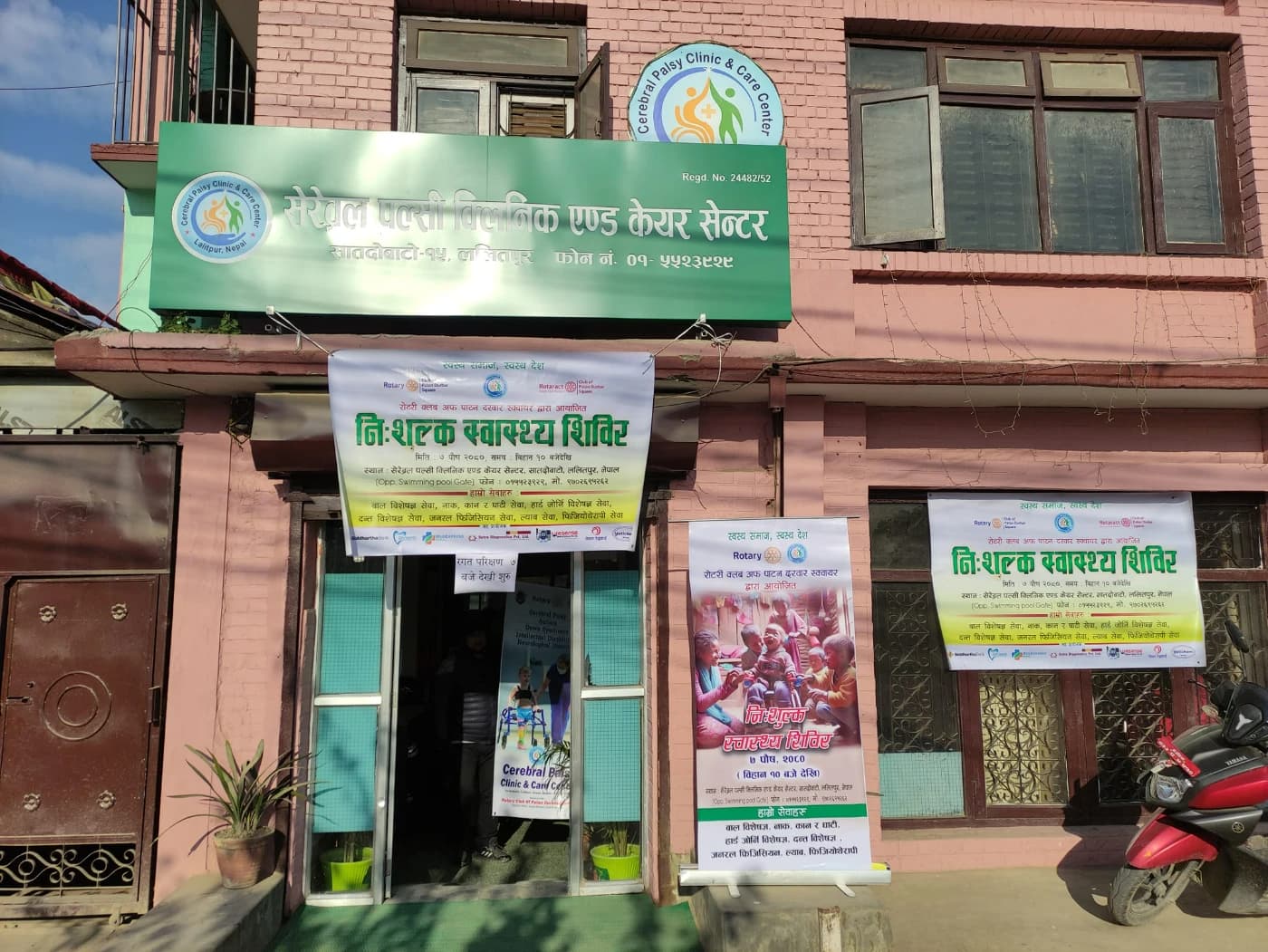
As part of its commitment to providing holistic services, CPND has established a Day Care and Rehabilitation Center that offers early intervention, physiotherapy, occupational therapy, speech and language therapy, special education, caregiver training, and psychosocial support. The center provides a safe, inclusive, and nurturing environment where children can develop their physical, cognitive, communication, and social skills while empowering families to actively participate in their child's development. CPND is committed to delivering high-quality, sustainable, and accessible services to children with cerebral palsy and other neurological disorders. To fulfill this mission, the organization has developed a well-structured budget that supports the effective operation and expansion of its programs, ensures financial accountability and transparency, and strengthens the long-term sustainability of its Day Care and Rehabilitation Center and other community-based initiatives.
The Cerebral Palsy and Neurologic Disorder Welfare Society (CPND) has established a Day Care and Rehabilitation Center to provide comprehensive, child-centered rehabilitation services for children with cerebral palsy and other neurological disorders. The center offers structured therapeutic interventions using appropriate rehabilitation equipment to enhance motor function, mobility, communication, independence, and overall development. The center is staffed by a multidisciplinary team comprising pediatricians, physiotherapists, occupational therapists, speech and language therapists, special educators, psychologists, and rehabilitation professionals. A Pediatric Rehabilitation Gym is available to provide intensive therapy sessions and to enable parents and caregivers to continue supervised exercises with their children, promoting consistency in rehabilitation both at the center and at home. Recognizing that children and adolescents with neurological disabilities are at increased risk of emotional and mental health challenges, the center integrates psychosocial support, counseling, recreational activities, and evidence-based therapeutic approaches to promote mental well-being, confidence, and social inclusion. Physical activity and rehabilitation are combined with developmental and educational interventions to improve the overall quality of life of each child. The Day Care and Rehabilitation Center primarily serves children with neurological and developmental disabilities, including Cerebral Palsy (CP), Down syndrome, Attention-Deficit/Hyperactivity Disorder (ADHD), Autism Spectrum Disorder (ASD), and other developmental conditions from the Kathmandu Valley. The program also provides parent education, counseling, and caregiver support, recognizing that parents—particularly mothers—often bear the primary responsibility for caregiving, which can lead to significant physical, emotional, and financial stress. By empowering families with knowledge, skills, and support, the center aims to improve the well-being of both children and their caregivers.
The CPND Day Care and Rehabilitation Center is expected to significantly improve the physical, cognitive, communication, and social development of children with cerebral palsy and other neurological disorders through regular, individualized rehabilitation and early intervention services. Consistent therapy sessions using appropriate rehabilitation equipment and evidence-based practices will enhance children's functional abilities, independence, and participation in daily activities. The center also aims to improve the emotional well-being and mental health of children by combining physical activity with psychosocial support, recreational activities, and developmental therapies. These interventions are expected to increase children's confidence, reduce behavioral and emotional challenges, and improve their overall quality of life. In addition, the program will empower parents and caregivers by providing training, counseling, and continuous support, enabling them to actively participate in their child's rehabilitation and care at home. This family-centered approach is expected to reduce caregiver stress, strengthen family resilience, and foster a more inclusive environment for children with disabilities within their communities. The project will also organize regular children's health camps in schools and communities to identify children with developmental delays, cerebral palsy, and other neurological disorders through early screening and assessment. These outreach activities will increase awareness of disability, promote timely referral to rehabilitation services, and improve access to healthcare for underserved populations. Furthermore, CPND will collect data through community-based screening and service delivery to support research, inform evidence-based interventions, and contribute to the development of policies and programs that improve the lives of children with disabilities in Nepal.
The CPND Day Care and Rehabilitation Center is dedicated to providing comprehensive care, rehabilitation, and support to children with neurological and developmental disabilities, particularly those from underprivileged, low-income, and marginalized communities. The center primarily serves children with conditions such as Cerebral Palsy (CP), Down syndrome, Autism Spectrum Disorder (ASD), Attention-Deficit/Hyperactivity Disorder (ADHD), intellectual disabilities, and other neurological disorders. Recognizing that every child has unique abilities and rehabilitation needs, CPND provides individualized, family-centered services that promote physical, cognitive, communication, emotional, and social development. The center is committed to ensuring that all children, regardless of their socioeconomic background, have equal access to quality rehabilitation, education, healthcare, and opportunities to reach their full potential. Beyond direct rehabilitation services, CPND works closely with families, schools, healthcare providers, and communities to promote disability inclusion, reduce stigma, strengthen caregiver capacity, and increase awareness of early identification and intervention. Through community outreach, school health camps, and awareness programs, the organization seeks to build a more inclusive society where children with disabilities are respected, supported, and empowered.
Copyright © 2026 Cerebral Palsy and Neurologic Disorder Welfare Society